Information
2025.04.25
Nippon Kodo Group 450th Anniversary Incense Ceremony: Experiencing the Past, Present, and Future of Japanese Incense Culture
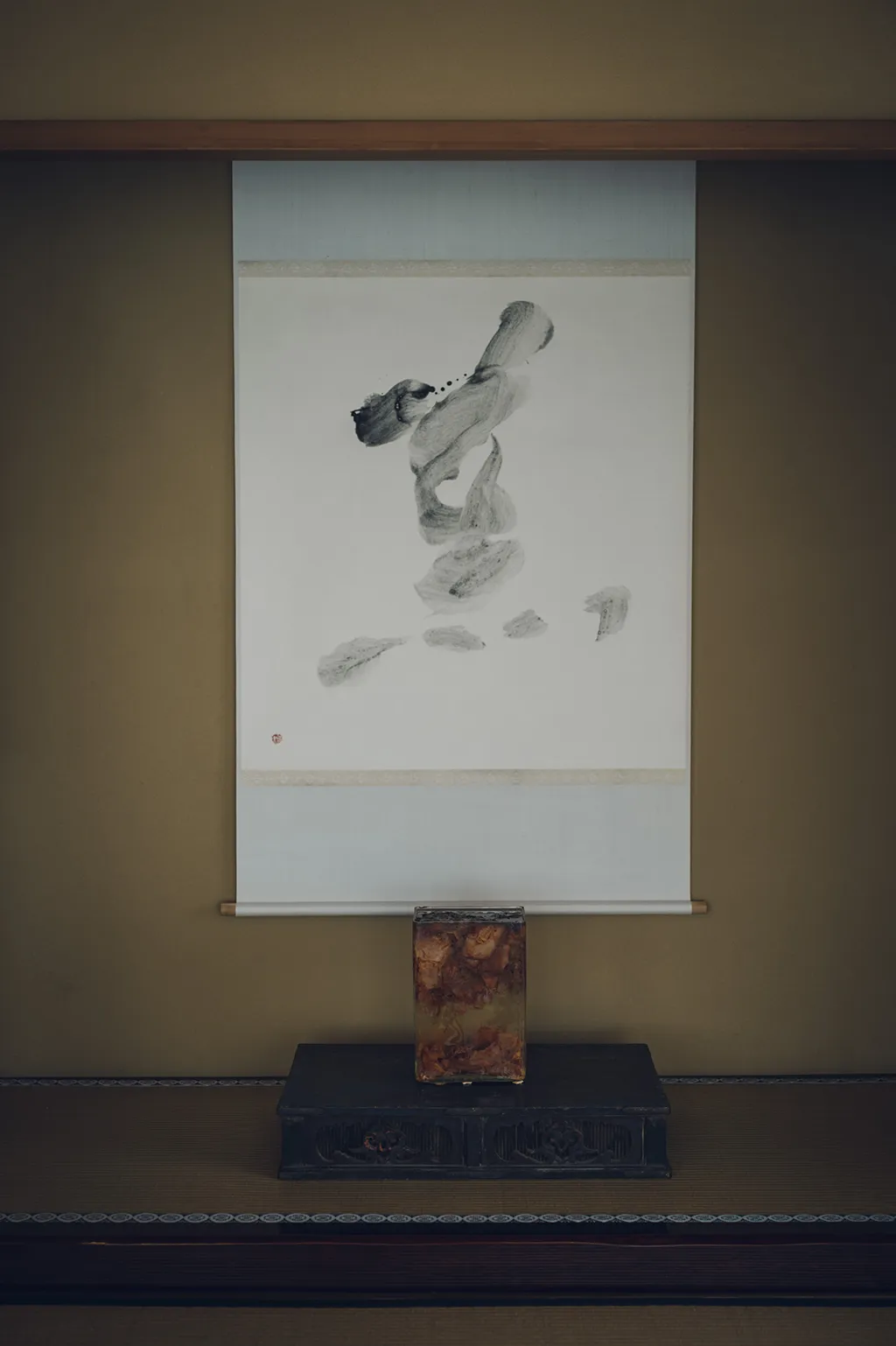
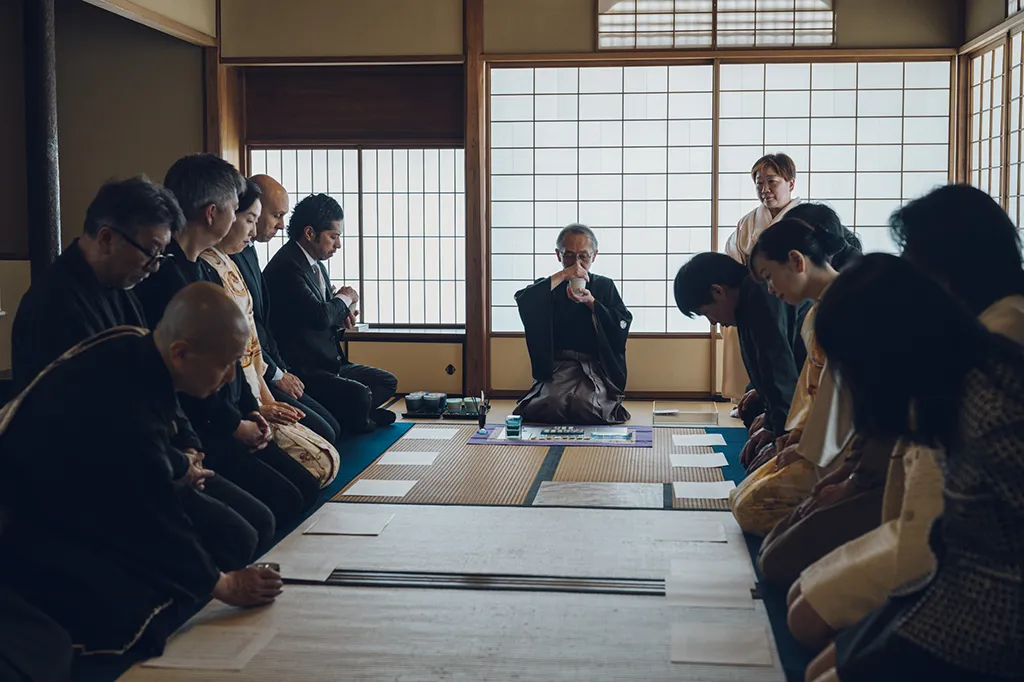
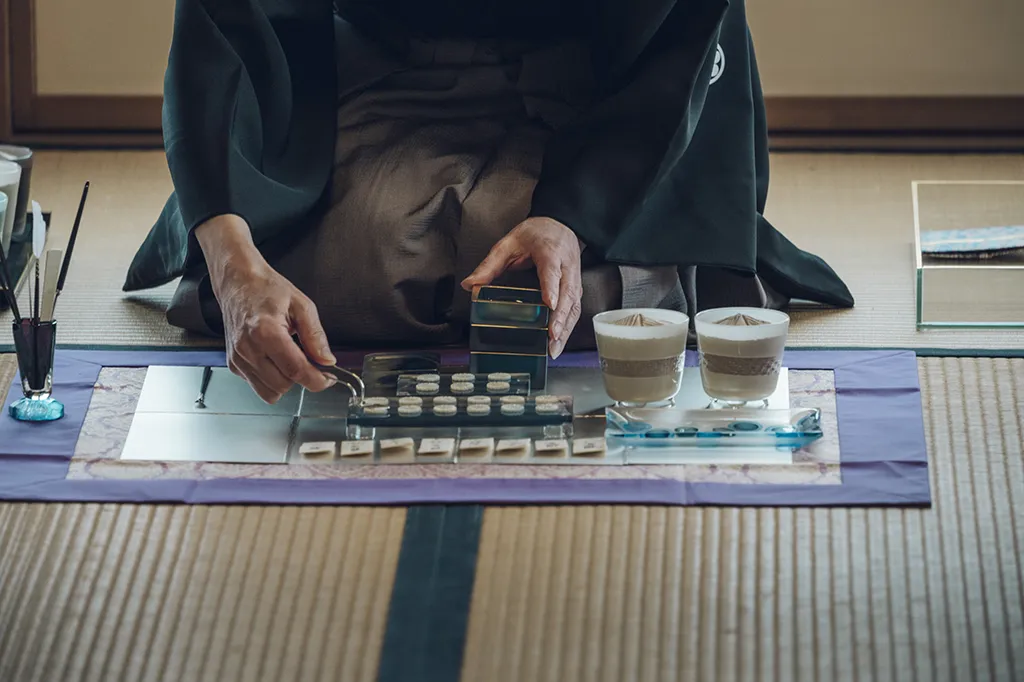
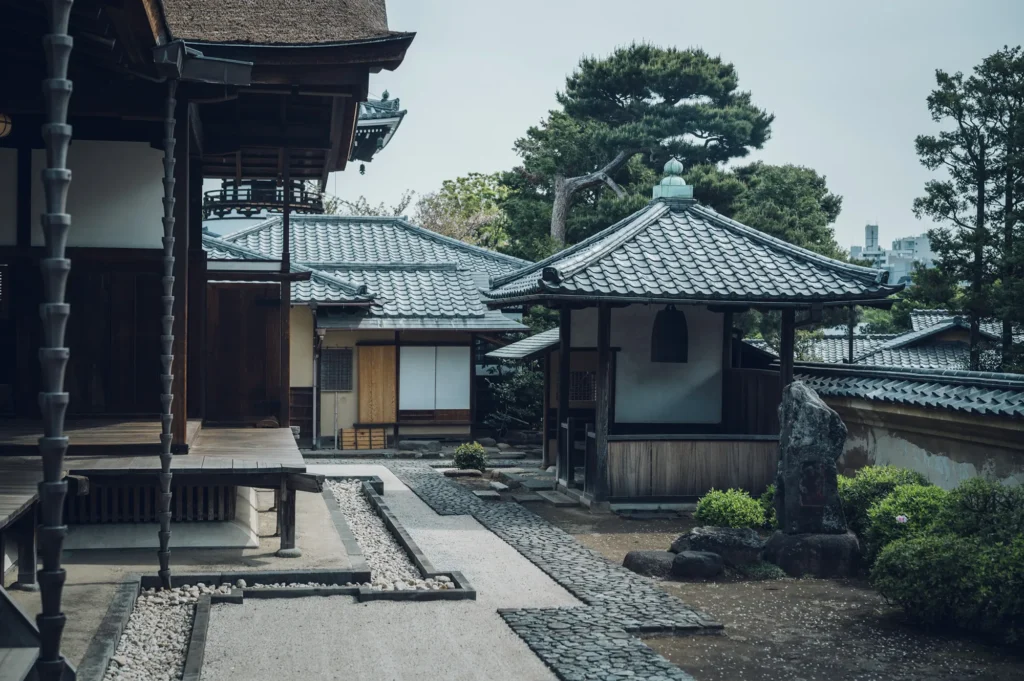
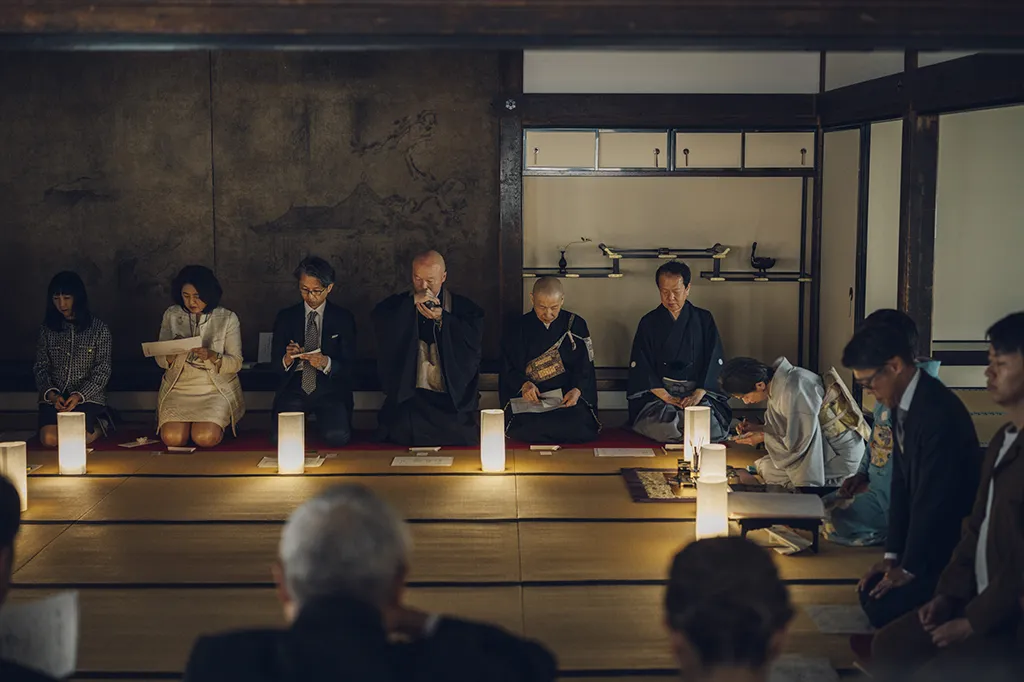
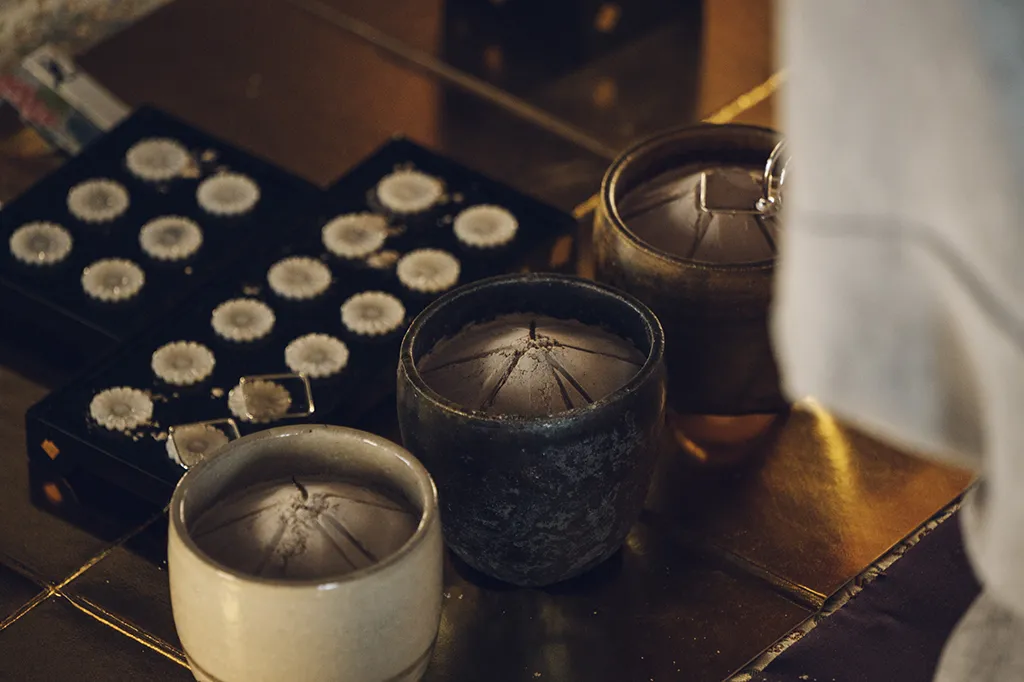
On Thursday, April 17, 2025, we held a commemorative Incense Ceremony (Kōkai) to express our gratitude for 450 years of history. The venue was the teahouse at Gokokuji Temple (Daihonzan Gokokuji), often called the sacred ground for the tea ceremony in the Eastern Japan. The ceremony took place in venerable tea rooms, including the Gekko-den, a National Important Cultural Property. The setting was arranged by Mr. Kentaro Sugi, and featured new incense burners (kōro) made from Karatsu and Nabeshima ware, the glass incense tools “Akigasumi,” and a tea serving area co-operated by Pierre Hermé Paris. Participants experienced a truly luxurious world of fragrance.
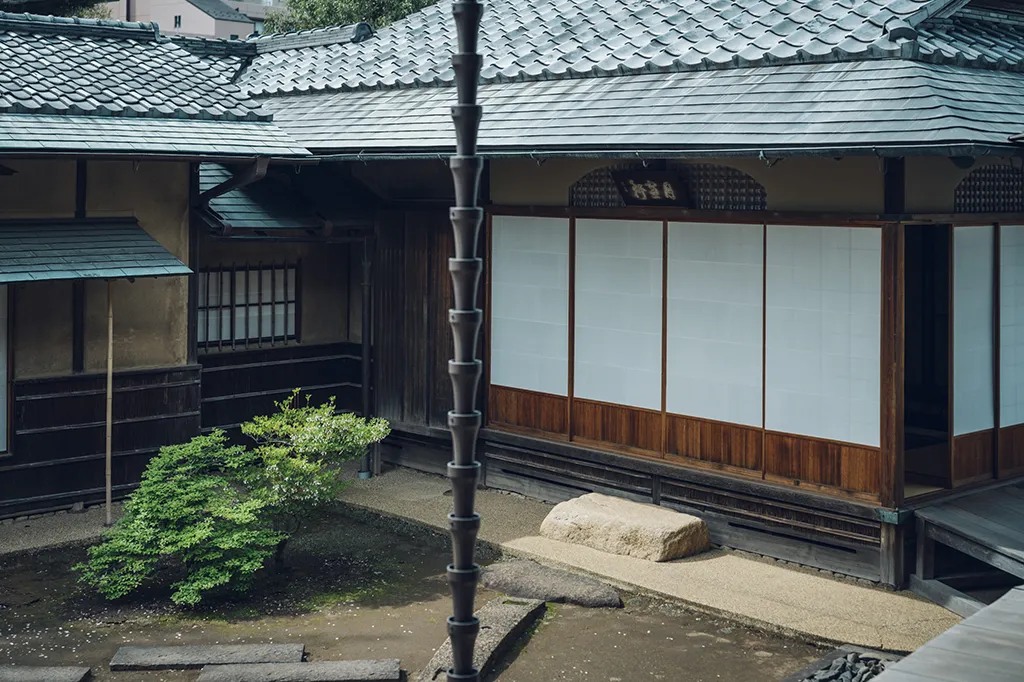
The session for “Listening to the Past” was held in the Peony Room (Botan no Ma). Here, participants experienced the representative blended incense, the “Six Blended Incenses (Mukusa no Takimono),” reproduced based on recipes left by great figures of the Heian period, in the style of Kodo. Incenses like “Baika” (Plum Blossom) based on the recipe of Minamoto no Kintada Ason, and “Kayō” (Lotus Leaf) based on the recipe of the nun Yamada, were faithfully recreated from extant literature and experienced by the participants with commentary from an incense connoisseur.
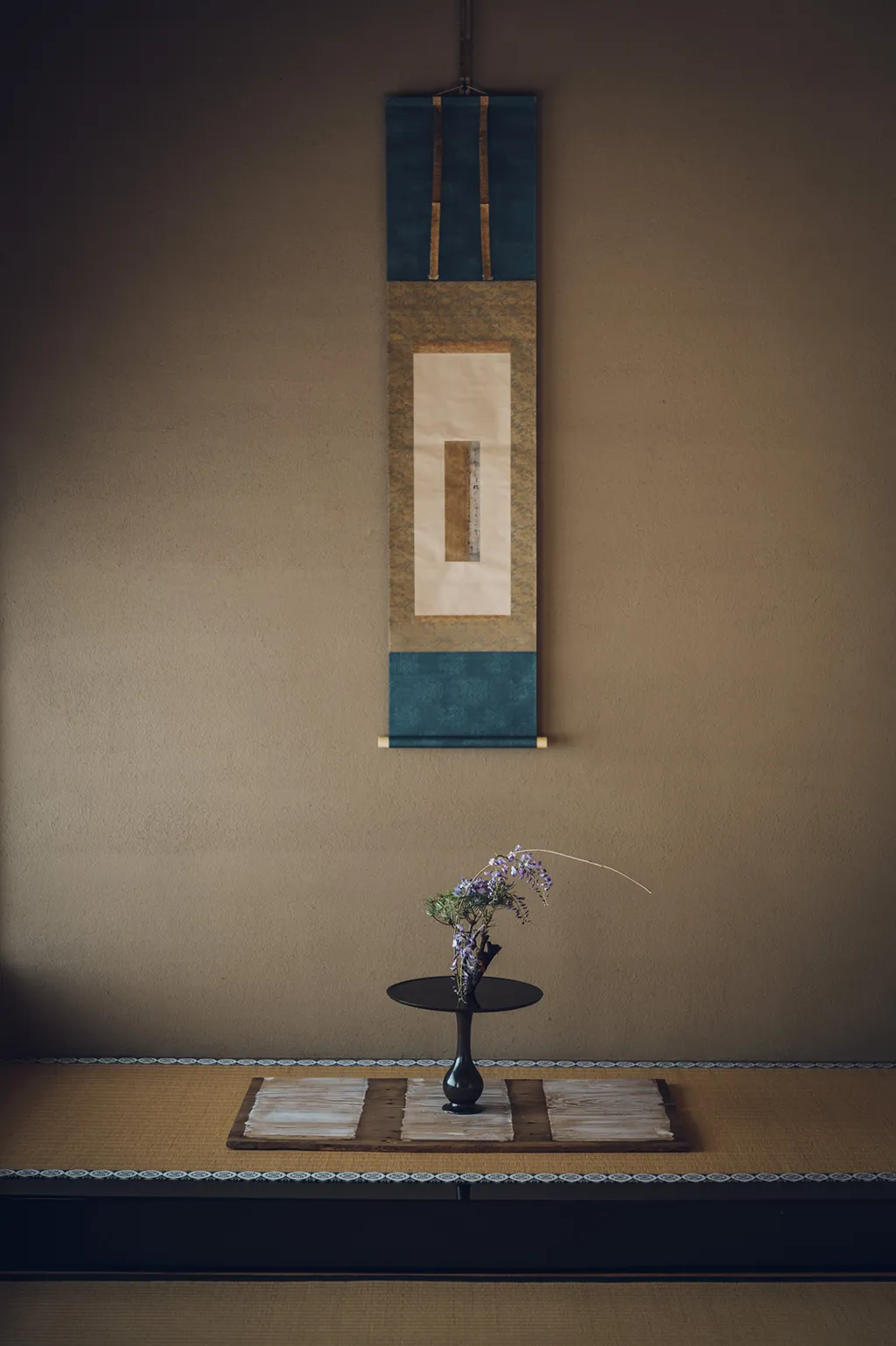
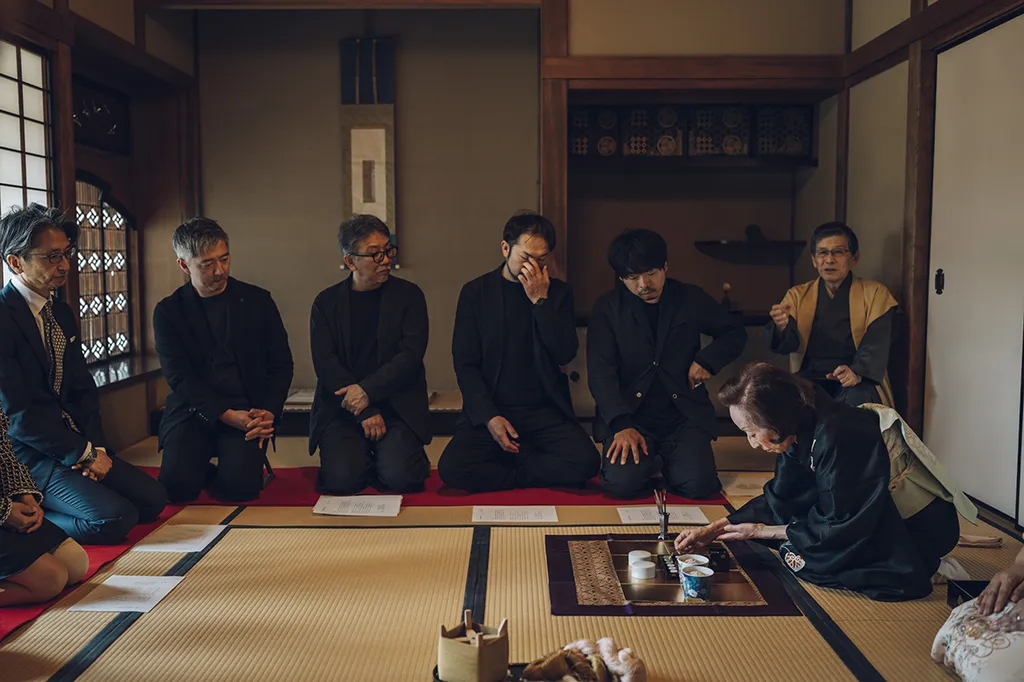
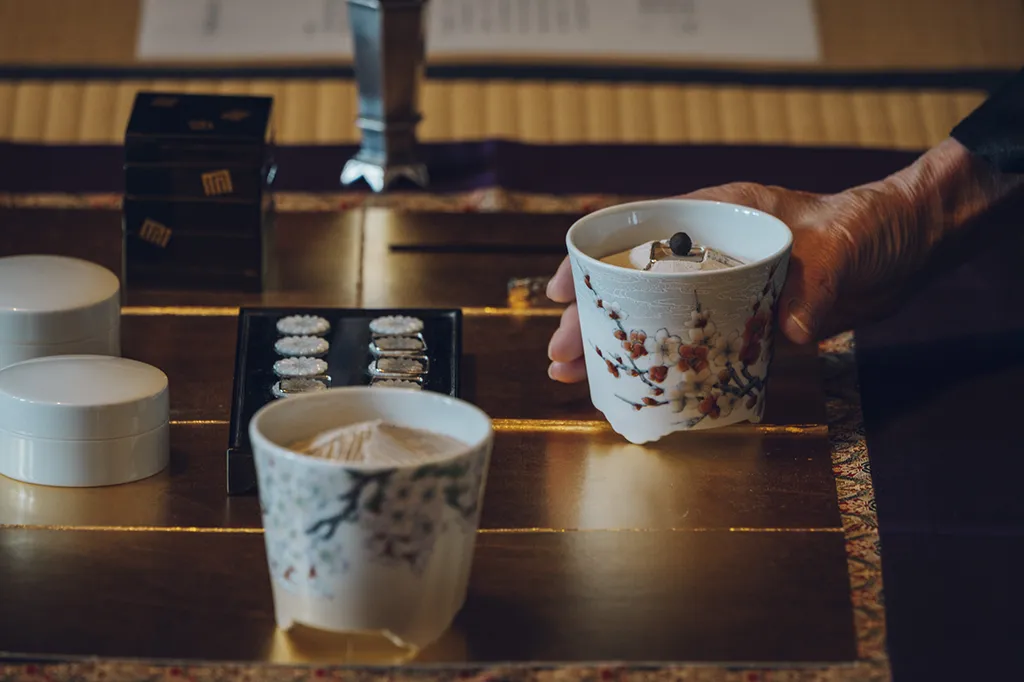
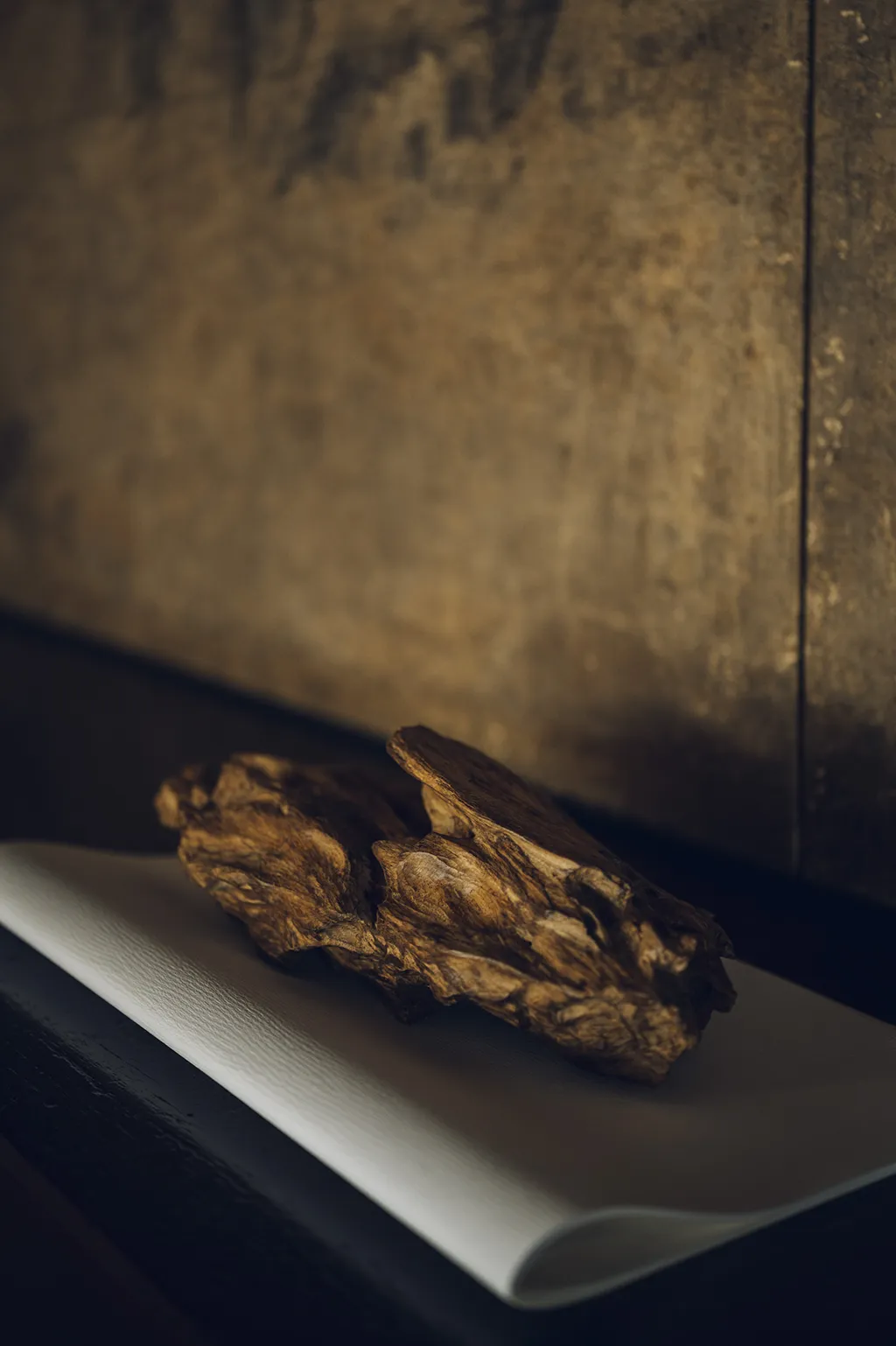
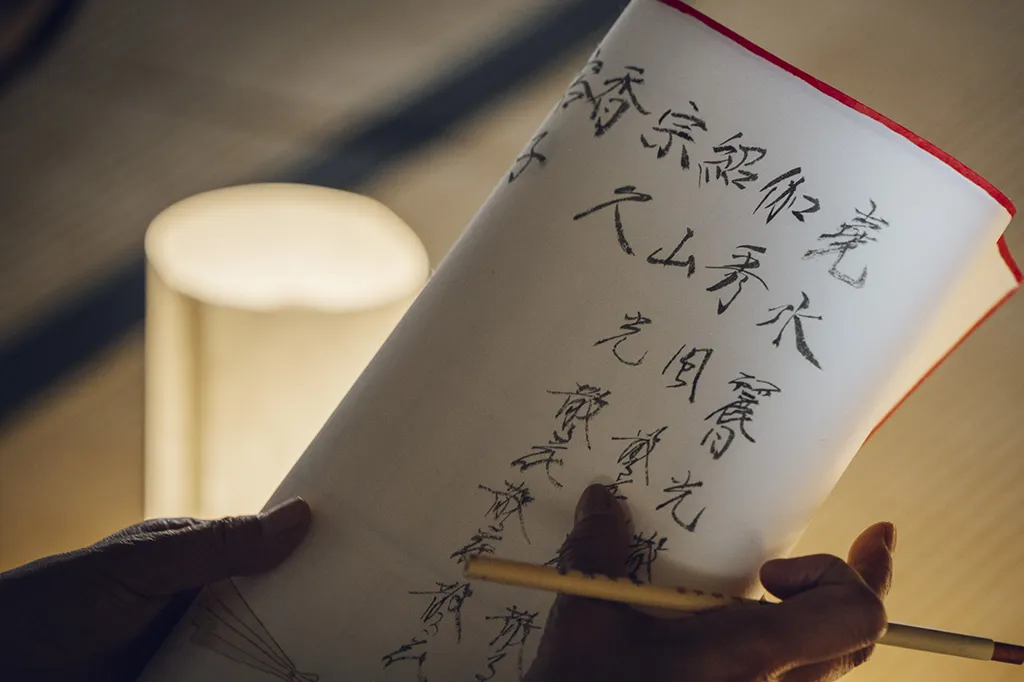
The main session, “Listening to the Present,” took place in the Gekko-den, the National Important Cultural Property. We welcomed Mr. Gyosui Sanjonishi, the 23rd Grand Master of the Oie-ryu Kodo, who led the experience of the Meimeikō (named incense) “Rakoku Shirabe” and the new Kumikō (incense-matching game) “Reishunkō.” “Rakoku Shirabe” was selected by the Grand Master specifically for this ceremony from our rare aloeswood collection. It is a precious wood classified as “Rakoku,” which is unusual for a named incense. The new Kumikō, “Reishunkō” (Beautiful Spring Incense), was created by the Grand Master based on a waka poem by Ki no Tomonori from the Kokin Wakashū (Collection of Old and New Japanese Poems).
The session for “Listening to the Future” was held in the Gessō-ken tea room, where participants experienced “Waka Rokuboku” (Six Japanese Fragrant Woods) for the first time in Japan, in the Kōkai format. Across various regions of Japan, there are trees that emit unique aromas depending on the local climate and natural environment. These woods have greatly influenced regional culture, arts, and crafts, with some being highly valued as sacred materials. We selected the scents of six such trees and invited participants to experience their fragrances.